
primary methods used in Flex pcb supplier
The primary methods used by a Flex PCB supplier encompass a variety of processes and techniques tailored to the unique requirements of flexible printed circuit boards. These methods include design and layout, material selection, photolithography, etching, lamination, drilling, quality control, and assembly. Each method is critical to ensuring the performance, reliability, and durability of the final Flex PCB products.
The initial phase in the production of Flex PCBs involves meticulous design and layout. This process utilizes advanced computer-aided design (CAD) software to create detailed schematics and layouts. Engineers must consider various factors such as electrical performance, mechanical flexibility, and space constraints. The design phase is crucial because any errors can lead to costly revisions or failures in the final product. During this stage, collaboration between the supplier and the client is often necessary to ensure all requirements and specifications are met.
Selecting the appropriate materials is fundamental to the success of Flex PCB suppliers. The primary materials used include flexible substrates such as polyimide or polyester films, which provide the necessary flexibility and durability. These substrates must withstand bending and folding without compromising the circuit’s integrity. Additionally, the choice of adhesives, protective coatings, and conductive materials (like copper) is critical. These materials must be compatible with the flexible substrate and capable of maintaining their properties under various environmental conditions, such as temperature fluctuations and humidity.
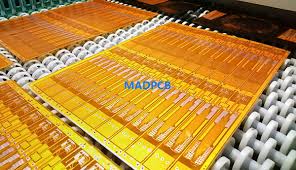
What are the primary methods used in Flex pcb supplier?
Photolithography is a key method used in the manufacturing of Flex PCBs. This process involves coating the flexible substrate with a photosensitive material and then exposing it to ultraviolet light through a mask that defines the circuit pattern. The exposed areas are then developed to create a detailed and precise circuit pattern on the substrate. Photolithography allows for high-resolution patterns, which are essential for modern, high-density Flex PCBs used in advanced electronic devices.
After photolithography, the next step is etching. In this process, unwanted copper is removed from the substrate to leave behind the desired circuit pattern. This is typically done using chemical etchants that dissolve the exposed copper areas while leaving the protected areas intact. Etching is a precise process that requires careful control to ensure that the circuit paths are accurate and free from defects. The precision of etching directly affects the performance and reliability of the Flex PCBs.
Lamination is another critical method in the production of Flex PCBs. This involves bonding multiple layers of the flexible substrate together to create a multi-layered circuit. Lamination provides additional mechanical strength and allows for more complex circuit designs with multiple layers of connectivity. The lamination process must be carefully controlled to prevent air bubbles or misalignment, which can compromise the integrity of the final product.
Drilling is used to create holes for vias and component mounting. In Flex PCB manufacturing, this process often uses laser drilling due to the delicate nature of the flexible materials. Laser drilling provides the precision needed to create small, accurate holes without damaging the surrounding substrate. These vias are then plated to create electrical connections between different layers of the circuit.
Quality control is a vital method in the production process, ensuring that Flex PCBs meet stringent performance and reliability standards. This involves a series of inspections and tests, including visual inspections, electrical testing, and environmental stress testing. Suppliers implement rigorous quality management systems to identify and rectify any defects or inconsistencies. Quality control ensures that the final products perform reliably in their intended applications.
The final method involves assembling the Flex PCBs by mounting electronic components onto the flexible circuits. This process can involve surface-mount technology (SMT) and through-hole technology, depending on the design requirements. Advanced assembly techniques and equipment ensure precise placement and soldering of components. Proper assembly is crucial for the overall functionality and performance of the Flex PCBs.
In conclusion, the primary methods used by a Flex PCB supplier include a combination of design, material selection, photolithography, etching, lamination, drilling, quality control, and assembly. Each of these methods is essential to producing high-quality, reliable, and durable flexible printed circuit boards. By mastering these techniques, Flex PCB suppliers can meet the demanding requirements of various industries, from consumer electronics to aerospace and medical devices.