
Size of PCB Circuit Boards
A pcba circuit board (also known as a printed circuit board, PCB, or bare board) is the base for applying the circuitry that makes an electronic device work. It provides support and effective blocking for all components mounted on it, as well as a platform for current flow. It is also often used as a way to test the operation of the circuitry. The pcba circuit board acts as the carrier for surface-mount or through-hole components, which are then soldered onto it using various assembly techniques.
PCBs are found in nearly all electronic equipment, from something as simple as calculators to high-performance computers and more complex devices like laptops. They are also a common component in many consumer products, including cell phones.
A pcba can be made up of one or multiple layers, and the number of layers determines the overall thickness of the board. It is also important to keep in mind that the more layers a pcba has, the more expensive it will be to produce.
Several factors influence the size of a pcba, including its design and intended use. It is important for designers to keep these factors in mind as they plan their circuit boards. If a designer wants to save space, they can use smaller components that are more compact or use different packages. However, this may not be cost-effective in all cases.
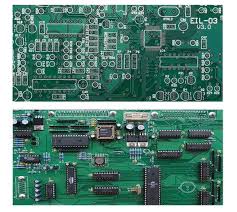
Limitations to the Size of PCB Circuit Boards
Another consideration is the amount of power that will be passed through the traces on the circuit board. This will influence the materials needed, which in turn will affect the size of the pcba. For example, a board that carries high-power signals will require thicker copper and wider traces. This will make the board thicker than a board that carries lower-power signals.
The size of the components that will be attached to the pcba also impacts its size. For instance, if a designer uses a large capacitor, it will take up a lot of space. To reduce this, the designer can either split the capacitance up into multiple smaller capacitors or use a more compact package.
In addition, the thickness of the copper layer will impact the size of a pcba. The standard copper is 1 oz per square foot, but thicker options are available. Choosing thicker copper will allow the manufacturer to run a wider trace and still maintain adequate current capacity.
When it comes to choosing a pcba manufacturer, it is important to keep in mind that not all manufacturers are able to handle every order. It is important to choose a reputable manufacturer that has the capabilities required for your project. This is especially true if you are using a pcba with a complex layout or a wide range of components.
Choosing the right manufacturer will help you ensure that your project is completed on time and within budget. A good manufacturer will be honest about costs and technologies and will provide you with a quote that includes everything that you need for your project.