
flexible PCB supplier ensure product consistency
A flex PCB is an important component of electronics devices and requires strict manufacturing processes to ensure that it functions properly. This is especially true for complex flex PCBs that contain multiple layers and many electrical pathways. A flex PCB supplier must have extensive experience producing these boards and be able to guarantee quality and consistency in their product lines. In this article, we’ll explore how a flexible PCB manufacturer can ensure that their product is high-quality and performs as intended in a wide range of environments.
The core or substrate layer is the most important part of a flexible pcb supplier because it holds everything else together. It’s typically made from polyimide or PET, and it provides the structural integrity of a flex PCB. The layer also protects the underlying copper foil from environmental factors like dust, moisture and mechanical abrasion. In addition to the substrate, a flex PCB will include a conducting layer. This is usually patterned with copper to provide efficient signal transmission.
To help ensure that a flex PCB can withstand repeated bending and flexing, the manufacturing process must follow certain guidelines. For example, the etching process must be performed in accordance with a specified reflow temperature to avoid oxidation and cracking. The fabrication process must be optimized to achieve consistent results across multiple production runs. Finally, the board must be inspected to ensure that it meets all of the required standards.
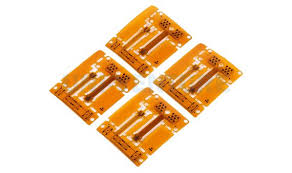
How does a flexible PCB supplier ensure product consistency?
Conductive trace compliance with the defined bend radius is another critical factor in ensuring that a flex PCB will perform as expected. This helps mitigate stress concentration on the traces and improves their durability against continuous bending. It’s also important to consider environmental factors such as temperature variations, humidity and exposure to chemicals when determining the optimum design parameters for a flex circuit.
Another important aspect of a flex circuit’s reliability is the strength of the adhesive materials used to bond the different layers. It’s necessary to choose an adhesive that can withstand a wide range of temperature fluctuations, humidity conditions and exposure to chemicals. This will allow the flex circuit to retain its stability in challenging operating environments and withstand repeated flexing without losing its integrity.
Selecting a flexible PCB supplier goes beyond simply finding a manufacturer capable of producing flexible circuits. It involves partnering with a company that can offer specialized knowledge, advanced technology, and exceptional customer service to ensure that the final product meets all specifications and industry standards. As flexible PCBs become more integral to modern electronics, the role of the supplier becomes increasingly critical in the overall success of electronic device manufacturing.
Another key consideration is how and where the copper is plated. In flex PCBs, copper is usually plated using a Pad Plate method that limits the thickness of the plating to only the areas around the holes. This allows a higher density of pads and tracks while still maintaining flexibility. In contrast, rigid PCBs use a Pattern Plate method that places more copper on the surface of the traces.