
handle moisture sensitivity in Pc board assembly
Moisture sensitivity poses a significant challenge in PC board assembly, as exposure to moisture can compromise the integrity and reliability of electronic components, particularly surface mount devices (SMDs). Moisture sensitivity can lead to delamination, solder joint defects, and electrical failures during reflow soldering, assembly, and subsequent operation. In this article, we explore the best practices and techniques for handling moisture sensitivity in PC board assembly to ensure the reliability and longevity of electronic devices.
One of the primary measures for managing moisture sensitivity is the proper handling and storage of moisture-sensitive components and materials throughout the assembly process. Moisture-sensitive components, such as plastic-encapsulated integrated circuits (ICs) and surface mount resistors and capacitors, are susceptible to moisture absorption, which can lead to internal delamination and cracking when exposed to high temperatures during reflow soldering. To mitigate this risk, manufacturers must store moisture-sensitive components in sealed, moisture-proof packaging and desiccant sachets to prevent exposure to humidity and moisture in the ambient environment.
Furthermore, implementing proper moisture sensitivity level (MSL) classification and tracking procedures is essential for managing moisture sensitivity in pc board assembly. The IPC (Association Connecting Electronics Industries) has established a standardized classification system, known as the Moisture Sensitivity Level (MSL) classification, which categorizes components based on their susceptibility to moisture-induced damage. Manufacturers must adhere to MSL requirements and guidelines to ensure proper handling, storage, and reflow soldering of moisture-sensitive components, minimizing the risk of solder joint defects and component failures.
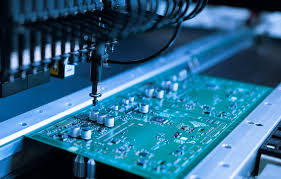
How do you handle moisture sensitivity in Pc board assembly?
Moreover, implementing a moisture control plan and monitoring system is essential for managing moisture sensitivity in PC board assembly. Manufacturers must establish procedures for identifying, tracking, and controlling moisture-sensitive components and materials throughout the assembly process, from receipt to storage, handling, and assembly. This includes maintaining moisture barrier bags, humidity-controlled storage areas, and desiccant storage cabinets to prevent moisture ingress and ensure the integrity of moisture-sensitive components.
In addition to proper handling and storage, implementing proper pre-bake procedures for moisture-sensitive components before reflow soldering is essential for mitigating the risk of moisture-induced defects. Pre-baking involves exposing moisture-sensitive components to elevated temperatures for a specified period to remove absorbed moisture before assembly. This helps prevent moisture-related defects such as popcorn cracking, delamination, and solder joint failures during reflow soldering by eliminating trapped moisture from within the component package.
Furthermore, implementing proper reflow soldering profiles and thermal management techniques is crucial for minimizing the risk of moisture-induced defects during PC board assembly. Reflow soldering involves heating the PCB and components to a specific temperature to melt the solder paste and form solder joints. By carefully controlling the heating and cooling rates, peak temperature, and time-above-liquidus parameters, manufacturers can minimize the risk of thermal shock and mechanical stress on moisture-sensitive components, reducing the likelihood of solder joint defects and component failures.
Additionally, implementing proper conformal coating and encapsulation techniques can help protect moisture-sensitive components and PCBs from environmental factors such as humidity, moisture, and chemical exposure. Conformal coatings provide a thin, protective layer that conforms to the contours of the PCB, shielding sensitive components and traces from corrosion, contamination, and mechanical damage. Similarly, encapsulation materials, such as potting compounds and epoxy resins, provide additional protection by encapsulating components in a durable, moisture-resistant enclosure.
In conclusion, managing moisture sensitivity in PC board assembly requires a comprehensive approach that encompasses proper handling, storage, tracking, pre-baking, reflow soldering, and protection techniques. By implementing these best practices and techniques, manufacturers can minimize the risk of moisture-induced defects and ensure the reliability and longevity of electronic devices. As the demand for high-performance and reliable electronics continues to grow, effective moisture sensitivity management will remain a critical aspect of PC board assembly processes, driving advancements and innovations in electronics manufacturing.


