
components verified for quality during flex rigid pcb manufacturer
Ensuring the quality of components during flex rigid PCB manufacturing is crucial to guarantee the reliability, performance, and longevity of electronic devices. Various verification processes are employed to assess the quality of components at different stages of manufacturing, from initial inspection and testing to final assembly and testing of the PCB. These verification methods aim to identify defects, inconsistencies, and deviations that may compromise the functionality or reliability of the flex rigid pcb manufacturer.
The first step in component verification involves thorough inspection and testing of incoming materials and components. Suppliers provide detailed specifications and certifications for each component, including dimensions, materials, electrical properties, and performance characteristics. Upon receipt, components undergo visual inspection, dimensional measurement, and electrical testing to verify compliance with specifications and detect any visible defects or discrepancies.
Once components pass the initial inspection, they are subjected to more rigorous testing and validation during the assembly process. Automated optical inspection (AOI) and X-ray inspection are commonly used to examine solder joints, component placement, and alignment accuracy on the PCB. AOI systems utilize cameras and image processing algorithms to detect defects such as misalignment, solder bridges, and missing components, ensuring the integrity of the assembly.
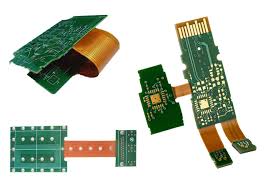
How are components verified for quality during flex rigid pcb manufacturer?
In addition to visual inspection, electrical testing is performed to verify the functionality and performance of components on the flex rigid PCB. Automated test equipment (ATE) applies electrical signals to the PCB and measures the responses to assess parameters such as continuity, resistance, capacitance, and inductance. Functional testing ensures that components operate within specified tolerances and meet the desired performance requirements outlined by the customer or industry standards.
Furthermore, environmental testing is conducted to evaluate the robustness and reliability of components under various operating conditions. Temperature cycling, humidity testing, thermal shock testing, and vibration testing simulate the environmental stresses encountered during the lifecycle of electronic devices, allowing manufacturers to assess the performance and durability of components over time. Environmental testing helps identify potential weaknesses or failure modes that may occur under extreme conditions, enabling manufacturers to implement design improvements or select alternative components if necessary.
Reliability testing is another critical aspect of component verification during flex rigid PCB manufacturing. Accelerated aging tests, such as high-temperature life testing and accelerated stress testing, subject components to prolonged exposure to elevated temperatures, voltage, or mechanical stress to simulate years of usage in real-world scenarios. By monitoring performance parameters and failure rates over time, reliability testing helps predict the long-term reliability and durability of components, ensuring their suitability for mission-critical applications in aerospace, automotive, medical, and industrial sectors.
Moreover, quality assurance processes play a pivotal role in ensuring the overall quality and consistency of components throughout the manufacturing process. Quality management systems, such as ISO 9001, establish procedures and protocols for managing quality control, traceability, and documentation, ensuring that components meet stringent quality standards and regulatory requirements. By implementing robust quality assurance practices, manufacturers can minimize defects, reduce rework and scrap, and enhance customer satisfaction.
In conclusion, component verification during flex rigid PCB manufacturing involves a comprehensive array of inspection, testing, and validation processes to ensure the quality, reliability, and performance of components. From initial material inspection to final assembly and testing, each stage of the manufacturing process is meticulously scrutinized to identify defects, inconsistencies, and deviations that may impact the functionality or reliability of the flex rigid PCB. By employing rigorous verification methods and adhering to stringent quality assurance practices, manufacturers can produce high-quality flex rigid PCBs that meet or exceed customer expectations and industry standards.