
PCB Manufacturing Assembly
Printed circuit board (PCB) assembly is an essential part of producing electronic devices. The process combines components, soldering, and inspection to ensure that each board is functioning properly and that the finished product meets all design specifications. In order to perform effectively, PCB assembly must follow strict quality control guidelines at every stage.
The first step of PCB assembly is sourcing the required components from trusted suppliers. This includes confirming that each component is compatible with the PCB’s design and functionality, as well as ensuring the appropriate quantity of each part is available for production. Once the PCB is ready, the bill of materials is finalized and sent to a contract manufacturer for fabrication.
After the bare pcb manufacturing assembly has been produced, the next phase of assembly is applying solder paste to the PCB. This is a mixture of flux and metal that functions as a temporary adhesive during the soldering process. It is applied to the selected areas of the PCB where pads will exist for each component. After the solder paste has been placed, the individual components are placed on top of it and then subjected to a heating process called reflow soldering. This creates reliable electrical connections between each of the components and the PCB.
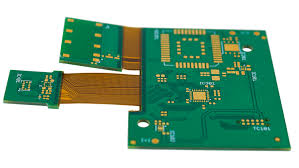
Flexible Printed Displays and PCB Manufacturing Assembly
In the past, technicians had to manually pick each individual surface mount component and place it on the PCB using a pair of tweezers. These methods were slow and prone to human error. As technology has improved, automated machines called pick-and-place robots have been used to reduce assembly time and increase accuracy. These robots use mechanical and sometimes even vacuum-based movements to take a component from a feeder and place it in the correct position for soldering. This eliminates the need for an intricate human touch and helps to minimize cost and time to market for the end product.
Before a final product can be shipped, the entire PCB must be thoroughly inspected for defects and failures. This is a critical step in the process of PCB assembly that requires the skills, knowledge, and intuition that only experienced engineers can provide. Detecting issues like incorrect soldering and misplaced components early in the process helps to prevent costly rework and return requests.
Rigid flex PCBA is becoming increasingly popular in consumer electronics, including smart phones and tablets. For example, many mobile devices feature a flex PCBA that connects the LED screen to the main PCB. This type of PCBA is also found in some laptops and automotive smart terminals.
When designing a new product, it is important to consider the specific needs of each application. This will help you determine the best fabrication and assembly method for your project. For instance, if you need to build a wearable sensor that will be sewn into a shirt, it may make more sense to use a flexible PCB instead of a rigid one. This will allow the sensor to be folded around corners and other constraints, while still allowing it to meet the necessary bend radius.