wrongful dismissal occur without a written contract
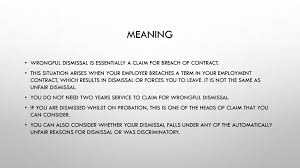
Many employees assume that legal protections against wrongful dismissal only apply if they have a written employment contract. However, this is a common misconception. The absence of a written agreement does not mean an employee is without rights. In fact, wrongful dismissal can occur even when there is no formal written contract in place. Employment relationships are often governed by implied terms, verbal agreements, and statutory obligations, which can all be relevant in a Wrongful Dismissal claim.
In most legal systems, once an individual begins working for an employer, an employment relationship is automatically established. This relationship comes with certain rights and obligations, even if nothing is documented in writing. Employers are still expected to follow fair procedures and act in good faith, particularly when it comes to terminating employment. If an employer fires an employee without valid reason, appropriate notice, or proper procedure, it can lead to a claim of wrongful dismissal regardless of whether a written contract exists.
In the absence of a written contract, the law may imply certain terms into the employment relationship. These can include obligations such as providing reasonable notice before termination or pay in lieu of notice. If an employer dismisses an employee without meeting these requirements, it may be seen as a breach of the implied contract, giving rise to a wrongful dismissal claim. Courts or tribunals may consider factors like the length of employment, the nature of the job, and industry standards when determining what constitutes reasonable notice.
Can wrongful dismissal occur without a written contract?
Verbal agreements between an employer and employee can also serve as the basis for a wrongful dismissal case. If an employer promised job security, certain termination conditions, or a fixed employment term during interviews or discussions, and then terminated the employee without adhering to those terms, the employee may have grounds for a claim. While verbal agreements can be harder to prove than written ones, they are still legally binding in many cases.
In addition to implied and verbal terms, statutory rights also play a critical role in Entitlement to severance pay for executives with short tenure. Laws in many countries require employers to treat employees fairly and may stipulate minimum notice periods or severance pay regardless of whether a written contract exists. If these legal requirements are not followed, a dismissed employee could still bring forward a claim for wrongful dismissal based on the violation of statutory law.
Supporting evidence is essential when pursuing a wrongful dismissal case without a written contract. This may include email correspondence, text messages, pay stubs, performance reviews, or witness statements that demonstrate the nature of the employment relationship and the circumstances surrounding the dismissal. These documents can help establish the expectations set between the employer and employee and show how those expectations were breached.
In conclusion, wrongful dismissal can absolutely occur without a written contract. Employment rights are not limited to what is written down—verbal agreements, implied terms, and statutory protections all play a role. Employees who have been dismissed unfairly should not assume they are without recourse simply because there is no written contract. Seeking legal advice and gathering evidence is crucial to determine whether a claim for wrongful dismissal is viable.