
prototype PCB assembly and why is it important
The prototype is a physical representation of your design that you can test. It can help to find any flaws in your design and areas that need improvement. It is also a great way to demonstrate your product to clients and stakeholders. This will help to get approvals and buy-in for the final product. The prototype can also be used to help refine the design for scalability during full-scale production runs. This can save you time and money on future production runs.
Prototype PCB assembly is an important part of the process that checks that the board functions correctly and meets the specifications set in the design. This step allows you to catch any problems early and reduces the risk of issues that may arise during mass production.
The first step in prototype pcb assembly is the creation of the files. This includes laying out the schematic and generating Gerber files. Then, the PCBs are fabricated. This can include the creation of the substrate, copper layers and etching. Then, the components and wires are added to the boards. Finally, the board is assembled and tested.
The most important reason for PCB prototypes is to verify that the circuit board complies with the requirements of the design and manufacturing process. This will be done by conducting a variety of tests on the prototype, including electrical testing and mechanical testing. These tests will examine the connection between the components and ensure that they are firmly placed on the circuit board. In addition, they will also test for any signs of defects and determine the reliability of the circuit board under a variety of conditions.
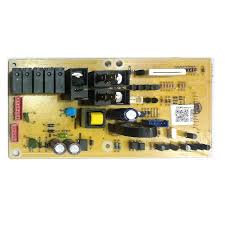
What is prototype PCB assembly and why is it important?
Having a fast turnaround time is crucial to the prototyping process. This will allow you to quickly iterate on your design and make changes as needed. It is also important to choose a PCB fabrication and assembly supplier with a good reputation for quality and speed. This will ensure that you get a high-quality prototype that is accurate and affordable.
The primary purpose of a prototype is to verify the function, performance and safety metrics of electronic designs before they are produced in large quantities. This process reduces the likelihood of costly errors during mass production, saving businesses significant investment in capital equipment and labor costs. To ensure that a PCB prototype fulfills its role, it must replicate the fundamental design and layout of a finished production run as closely as possible to mitigate risks in advance.
The selection of a qualified prototype assembly partner has a direct impact on overall project success. The best partners offer clear, benchmarked assembly quotes with reasonable pricing that reflect service aspects that influence cost. This helps customers understand the true cost of their prototypes and enables them to select the most competitive quotes.