
PCB flex rigid handle power electronics
Rigid-flex PCBs are a key technology that’s used in power electronics to address challenges including reducing the size and weight of products while maintaining reliability. With flexible areas that can bend or fold, rigid-flex PCBs provide space optimization and increased flexibility to address dynamic product design needs like foldable or curved displays.
Despite the advantages of incorporating flexible sections in a PCB, there are also unique challenges that need to be addressed when designing rigid-flex circuits. These include addressing durability issues, thermal management and managing the layer stackup. These challenges can be addressed through careful selection of materials and proper engineering and production techniques.
When dealing with high-power applications, it’s important to ensure that the circuit board can withstand constant movement and vibration without damage. This is accomplished by using rugged materials such as polyimide to protect the flex section from mechanical stress and fatigue. The material’s resistance to moisture and chemical exposure is also beneficial, especially in environments where the flex-to-rigid transition may be subjected to harsh conditions.
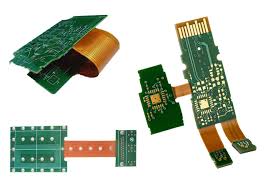
Can PCB flex rigid handle power electronics?
In addition to utilizing robust materials, it’s critical that the copper layers are properly sized and spaced to avoid excessive heat generation or signal interference. This is accomplished by ensuring that the trace width and spacing meets industry standards. Wider traces enable current to flow more easily, while adequate spacing minimizes potential crosstalk between conductors and enhances overall signal integrity.
Another challenge is the thermal management of pcb flex rigid that are used in high-power applications. Incorporating technologies such as thermal vias and heat sinks into the design helps to dissipate excess heat and prevent components from overheating. This is further enhanced by careful selection of the laminate and copper foil to meet specific thermal performance requirements for the application.
While there are many benefits of using rigid-flex circuit boards in high-power applications, they require more complex manufacturing processes than traditional rigid PCBs. This makes them more expensive to produce. However, it’s possible to reduce production costs by leveraging specialized suppliers with expertise in the technology and implementing design optimization processes.
PCB (Printed Circuit Board) technology has evolved significantly over the years, leading to the development of various specialized board types. One of the most innovative is the flex-rigid PCB, a hybrid solution that combines the benefits of both flexible and rigid PCBs into a single unit. This combination offers design versatility, improved performance, and a range of applications across multiple industries.
The right tools can make it easier to design rigid-flex PCBs for your next application. Integrated design tools that allow you to define a full layer stack and link between layers are critical for the success of these types of designs. A great choice is Altium Designer, which integrates a range of design tools within a unified rules-driven environment that’s adaptable to any electronics application. Learn more about how you can use Altium to help design rigid-flex PCBs for your project.